
The world of data analysis and reporting is increasingly reliant on visually compelling and easily digestible content. A well-designed Report Content Page Template is no longer a luxury – it's a necessity for effectively communicating insights and driving action. This article will delve into the key elements of a robust Template, exploring its purpose, structure, and best practices for creating impactful reports. Report Content Page Template is the cornerstone of clear and concise communication, ensuring your audience understands your findings quickly and easily. It's about more than just presenting data; it's about telling a story with numbers. Let's explore how to build a Template that truly shines.
What is a Report Content Page Template?
A Report Content Page Template is a pre-designed structure for creating reports, dashboards, and presentations. It's a foundational element, providing a consistent framework for organizing information, ensuring clarity, and facilitating a streamlined reporting process. It's not a rigid set of rules, but rather a flexible template that can be adapted to suit the specific needs of your audience and the type of report you're producing. Think of it as a blueprint for a compelling visual narrative. A well-crafted Template saves time, reduces errors, and ultimately, improves the quality of your reports. It's a critical investment for any organization serious about data-driven decision-making.

The Purpose of a Report Content Page Template
The primary purpose of a Template is to streamline the report creation process. Instead of starting from scratch each time, users can quickly populate the Template with relevant data and visualizations, significantly reducing the time and effort required to produce a polished report. This speed and consistency are invaluable for large teams and projects. Furthermore, Templates promote standardization, ensuring that all reports adhere to a consistent style and format, enhancing credibility and professionalism. They also facilitate collaboration, allowing multiple team members to contribute to the same report with greater efficiency. Ultimately, a Template empowers users to focus on the insights themselves, rather than getting bogged down in the technical details of data presentation.
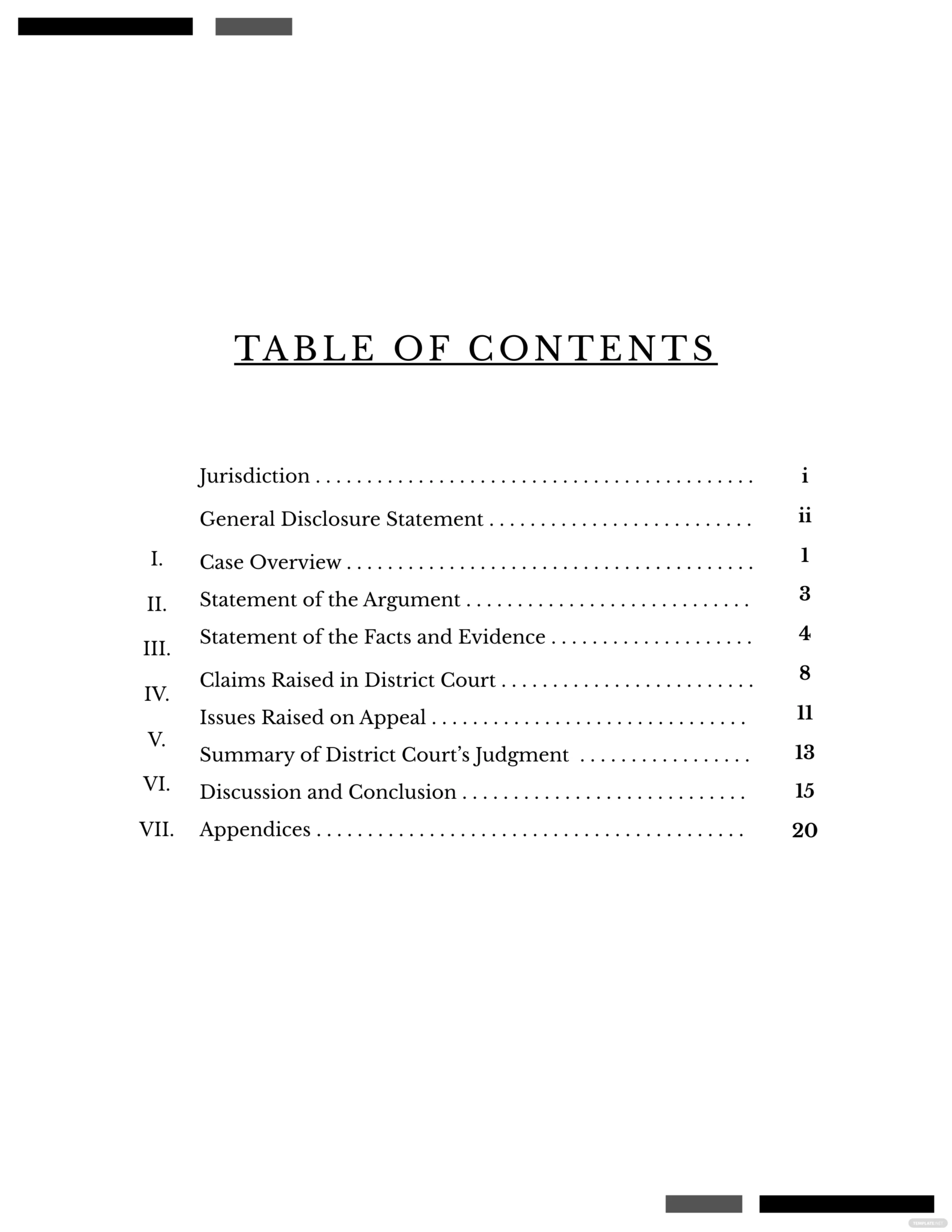
Key Components of a Report Content Page Template
A robust Template typically includes several key components, each contributing to the overall effectiveness of the report. These components are often organized into logical sections, making the report easy to navigate and understand. Here's a breakdown of the essential elements:
- Executive Summary: This is arguably the most important section, providing a concise overview of the report's key findings and recommendations. It should be written in plain language, avoiding technical jargon. It's the first thing readers will see, so it needs to grab their attention immediately. Report Content Page Template emphasizes the importance of a strong Executive Summary.
- Data & Visualizations: This section showcases the data underlying the report. It's where you present key metrics, charts, and graphs. Choosing the right visualizations is crucial – a well-designed chart can convey complex information more effectively than a lengthy table. Consider using a variety of chart types to illustrate different aspects of the data.
- Key Performance Indicators (KPIs): Clearly define and track the most important KPIs relevant to the report's objectives. These should be presented in a visually appealing way, perhaps using a progress bar or a color-coded indicator.
- Supporting Data & Details: This section provides more in-depth information and supporting data to substantiate the findings presented in the Executive Summary and KPIs. It allows for a deeper dive into specific areas of interest.
- Conclusions & Recommendations: Based on the analysis, draw clear conclusions and provide actionable recommendations. These should be specific, measurable, achievable, relevant, and time-bound (SMART).
- Appendix (Optional): Include any supplementary materials, such as raw data, detailed methodology, or supporting documentation.
Template Examples and Variations
There are numerous ways to structure a Report Content Page Template. Some common variations include:
- Tab-Based Template: A traditional approach where the report is divided into tabs, each representing a different section (e.g., Data, KPIs, Conclusions).
- Flowchart Template: Ideal for reporting on processes or workflows. The template visually represents the steps involved.
- Dashboard Template: Specifically designed for interactive dashboards, allowing users to drill down into specific data points.
- Hybrid Template: Combines elements from different approaches to create a customized template that best suits the report's needs.
Benefits of Using a Report Content Page Template
Implementing a Template offers a multitude of benefits:
- Increased Efficiency: Reduces report creation time and effort.
- Improved Consistency: Ensures all reports adhere to a standardized format.
- Enhanced Clarity: Facilitates easier understanding of complex data.
- Better Collaboration: Streamlines the reporting process for teams.
- Data-Driven Decision Making: Provides a solid foundation for informed decision-making.
Tailoring Your Template for Specific Needs
A successful Template isn't a one-size-fits-all solution. It's crucial to tailor the template to the specific requirements of each report. Consider the following factors:
- Audience: Who is the report intended for? Adjust the language and level of detail accordingly.
- Data Type: What type of data will be presented? Choose appropriate visualizations and chart types.
- Report Objectives: What are the key questions you're trying to answer? Structure the report to address these questions directly.
Conclusion
A well-designed Report Content Page Template is an indispensable tool for any organization seeking to improve its reporting capabilities. By streamlining the report creation process, promoting consistency, and enhancing clarity, a Template empowers users to effectively communicate insights and drive data-driven action. Report Content Page Template is more than just a template; it's a strategic investment in your organization's ability to leverage data effectively. Investing in a robust Template is an investment in your future success.
Conclusion
The creation and utilization of a Report Content Page Template are critical components of modern data-driven reporting. By adopting a structured approach, organizations can significantly improve efficiency, ensure consistency, and ultimately, deliver more impactful insights. The benefits extend beyond simply creating reports; they contribute to a culture of data literacy and informed decision-making. A thoughtfully designed Template empowers teams to transform raw data into actionable intelligence, driving positive change across the organization. Ultimately, mastering the art of Template creation is a key differentiator in today's competitive landscape.
0 Response to "Report Content Page Template"
Posting Komentar