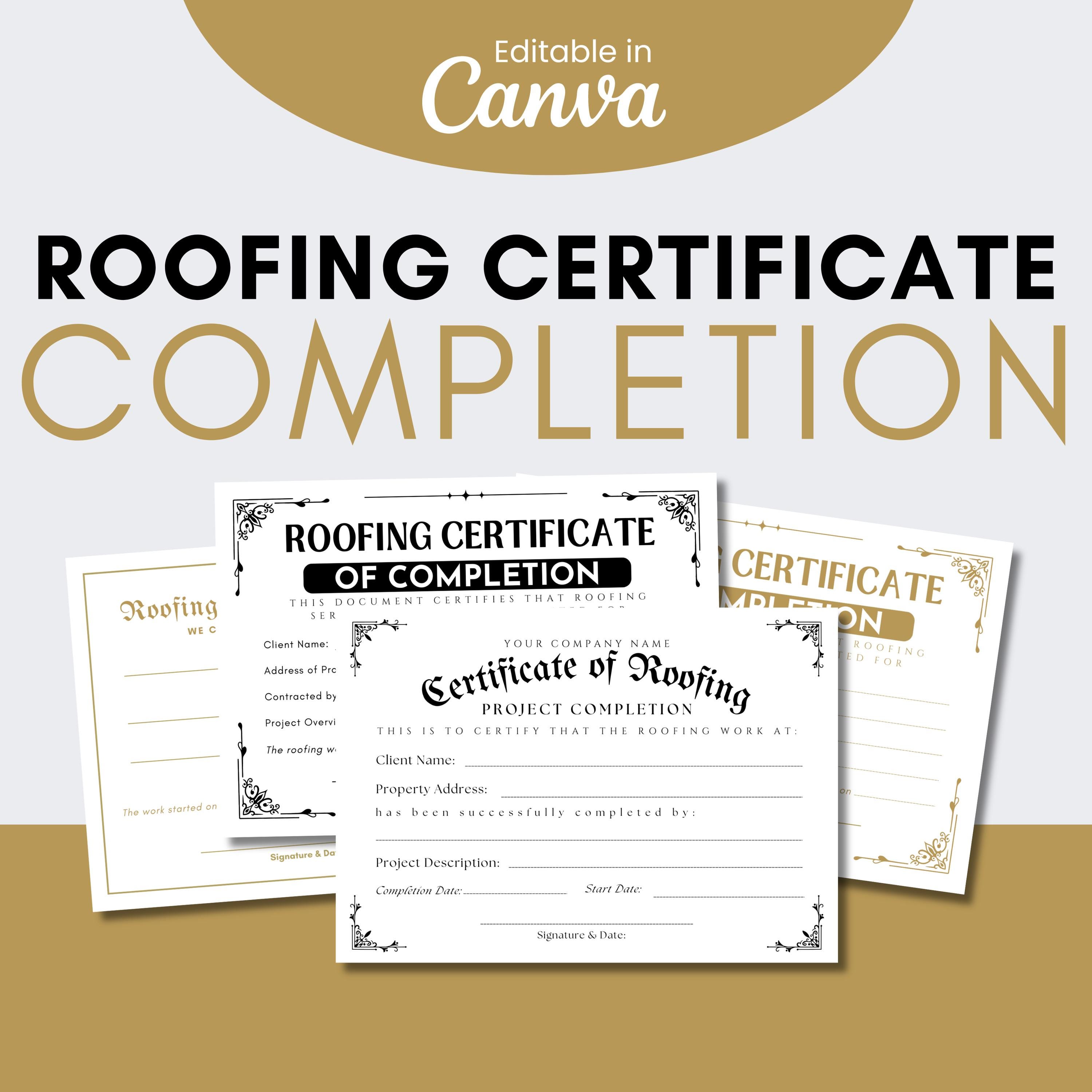
Choosing the right roofing system is a significant investment, and it's crucial to ensure it meets local building codes and industry standards. A properly certified roof is not just about aesthetics; it's a fundamental element of safety, longevity, and property value. This article will delve into the world of roof certification templates, explaining what they are, why they're important, and how to navigate the process. Roof Certification Template is a vital tool for contractors, builders, and homeowners alike, providing a standardized framework for verifying roof compliance. Understanding this process is essential for protecting your investment and avoiding costly delays or legal issues. Let's explore the key aspects of obtaining and utilizing these templates.
Understanding the Importance of Roof Certification
The primary reason for implementing roof certification templates is to demonstrate compliance with local building codes and regulations. These codes dictate minimum requirements for roofing materials, installation techniques, and structural integrity. Failure to meet these standards can result in significant penalties, including fines, legal action, and even the requirement to repair or replace damaged roofs. Furthermore, certification provides assurance to potential buyers or lenders that the roof is built to a high standard, increasing the property's value and marketability. It's a proactive measure that protects both the property and the owner. Without proper certification, you risk jeopardizing your investment and potentially facing significant financial repercussions. The process of obtaining certification is a crucial step in protecting your property and ensuring its long-term value.

What is a Roof Certification Template?
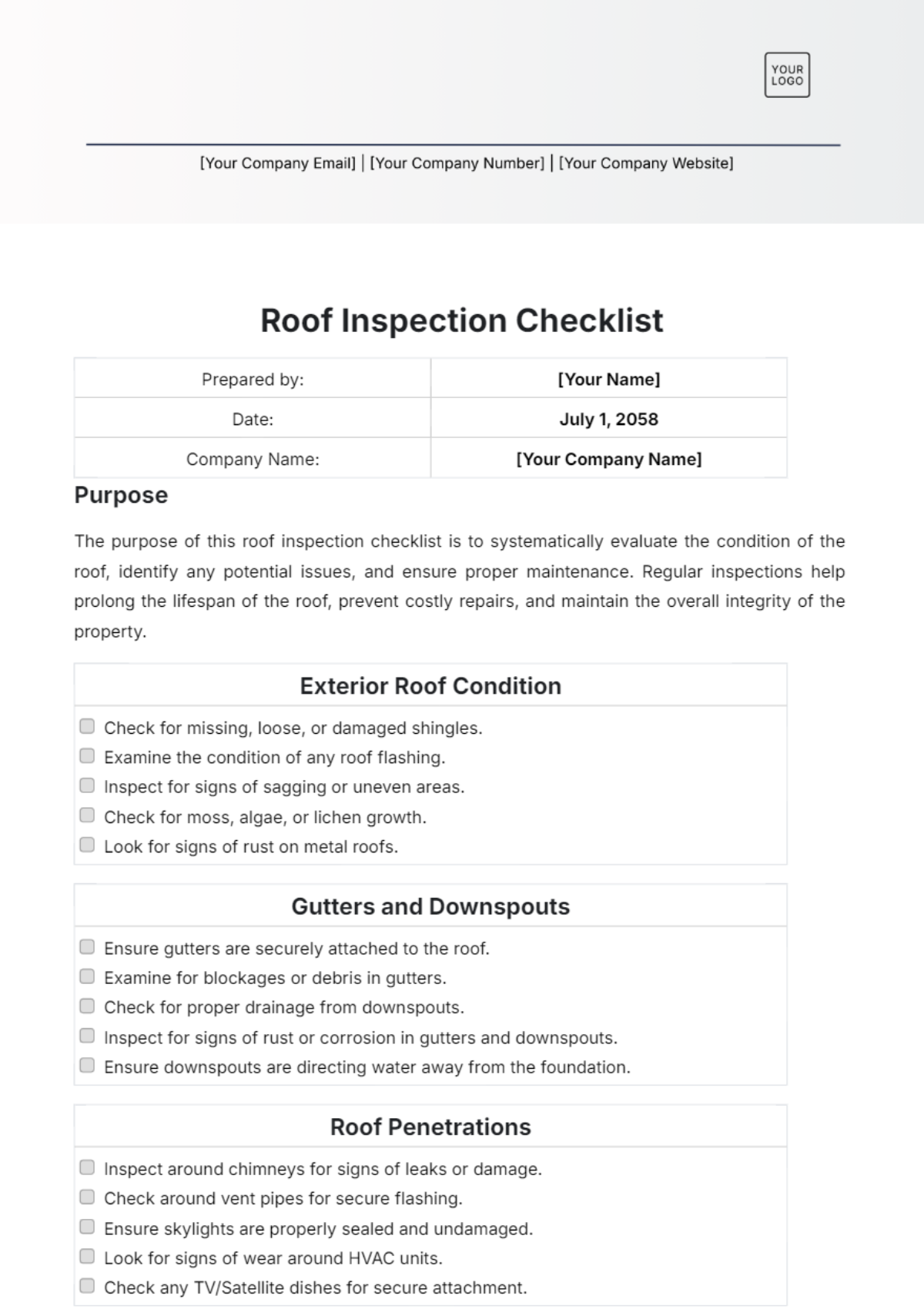
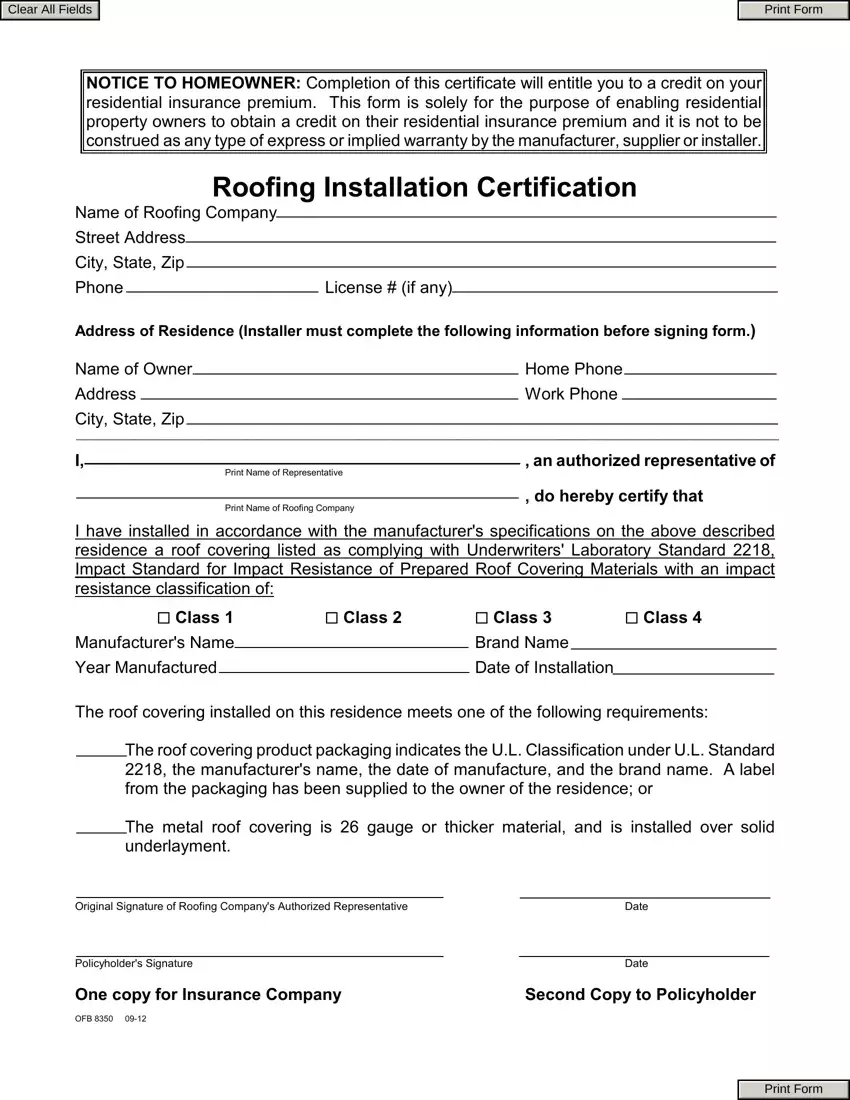
A roof certification template is a standardized document that outlines the specific requirements for a roofing system. These templates are typically developed by industry organizations, such as the International Code Council (ICC) or local building departments. They provide a checklist of checks and balances to ensure that a roof meets minimum standards for safety, durability, and performance. These templates aren't just static documents; they are living guides, constantly updated to reflect evolving building codes and best practices. They offer a clear and consistent framework for evaluating roof systems, simplifying the certification process and reducing the risk of errors. The template itself often includes detailed specifications for materials, installation methods, and inspection criteria. Different templates cater to various roofing types – asphalt shingles, metal roofing, tile, and more – each with its own set of requirements.
Key Components of a Roof Certification Template
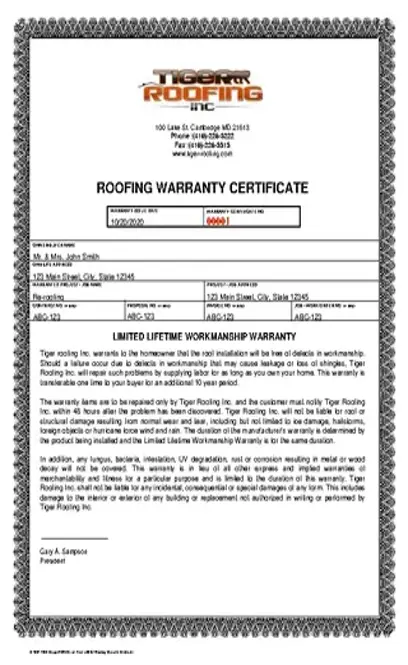
Let's examine some of the key components typically found within a roof certification template. These elements are crucial for a thorough assessment. Firstly, there's a Material Specification Section, detailing the approved roofing materials, including their fire resistance ratings, wind resistance, and durability. Secondly, there's a Installation Procedure Section, outlining the recommended installation techniques and required workmanship. Thirdly, there's a Inspection Criteria Section, specifying the types of inspections required and the qualifications of the inspectors. Finally, there's often a Compliance Verification Section, where the template is used to verify that the roof system meets all applicable codes and regulations. The level of detail within each section can vary depending on the template and the specific jurisdiction.
Common Roofing System Certifications and Their Requirements
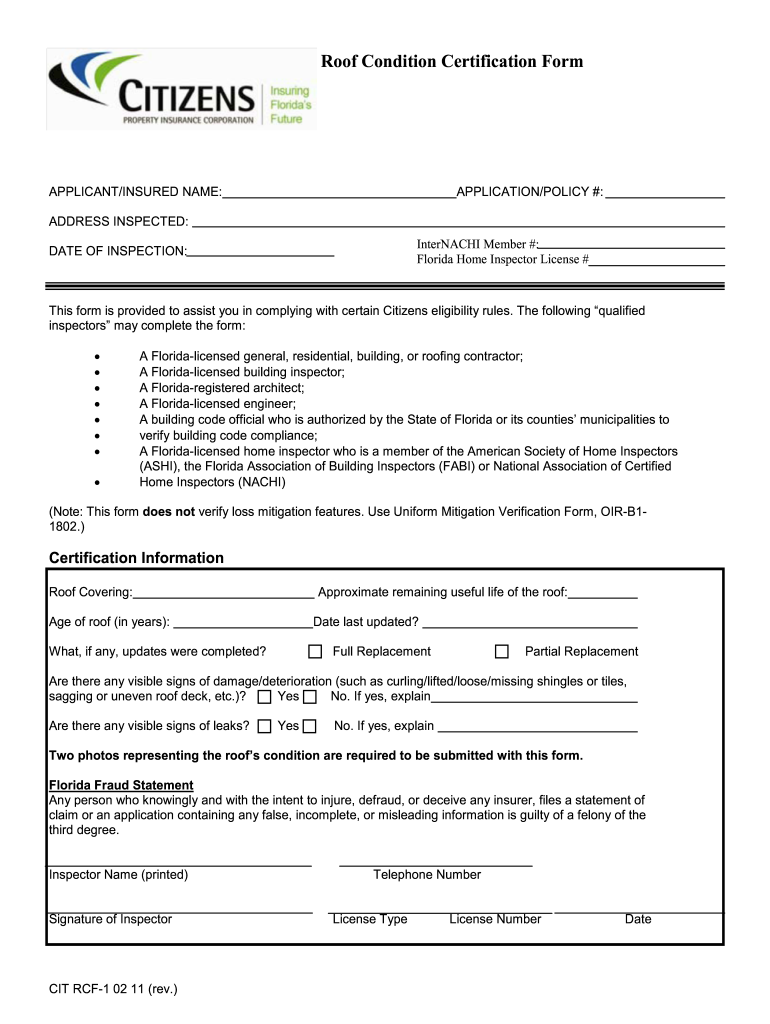
Several popular roofing system certifications exist, each with its own set of requirements. Let's briefly touch upon a few:

- OSHA-Approved Roofing Systems: These are specifically designed to meet Occupational Safety and Health Administration (OSHA) standards, focusing on preventing falls and ensuring safe working conditions during roof repairs.
- ICC-Approved Roofing Systems: The International Code Council (ICC) develops and maintains a wide range of approved roofing systems, offering a comprehensive set of requirements for safety and performance.
- Local Building Codes: Many local jurisdictions have their own specific roofing codes that must be followed. These codes often incorporate elements from the ICC or other national standards.
- Energy Star Roofing: This certification focuses on the energy efficiency of roofing materials and installation, promoting sustainable building practices.
Understanding the nuances of each certification is vital for contractors and homeowners alike. Choosing the right certification ensures that the roof is built to the highest standards and meets the specific needs of the project.

The Role of a Roofing Certification Consultant
Navigating the world of roof certification can be complex, especially for smaller projects. That's where a roofing certification consultant comes in. These professionals possess the expertise and knowledge to guide homeowners and contractors through the process, ensuring compliance with all applicable regulations and best practices. They can help identify the appropriate certification for the project, review the template, and perform necessary inspections. A consultant can also assist with navigating complex code requirements and addressing any potential challenges. They are invaluable resources for anyone involved in roof installation and maintenance.

Benefits of Utilizing a Roof Certification Template
Implementing a roof certification template offers a multitude of benefits. Firstly, it significantly reduces the risk of costly delays and legal issues. Secondly, it promotes transparency and accountability throughout the roofing process. Thirdly, it enhances the value of the property by demonstrating a commitment to quality and safety. Finally, it streamlines the certification process, saving time and resources. For contractors, it's a crucial tool for demonstrating compliance and building trust with clients. For homeowners, it provides peace of mind knowing that their roof is properly certified and protected.
Beyond the Template: Ongoing Maintenance and Inspections
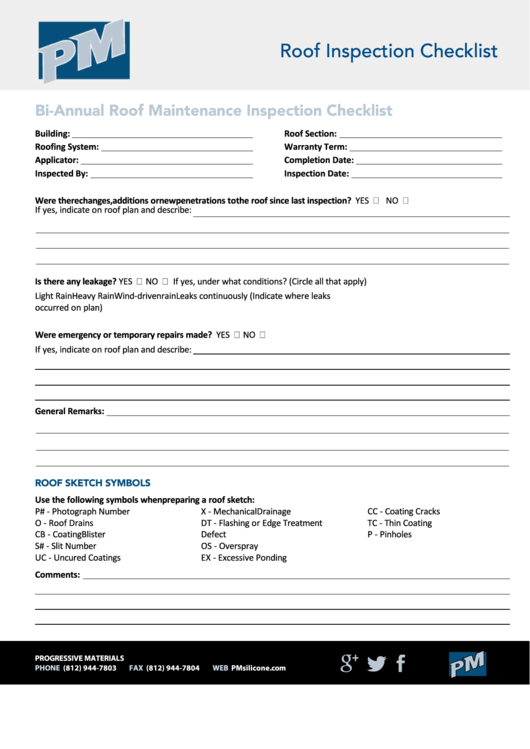
Simply having a template isn't enough. Roof certification is an ongoing process. Regular inspections are essential to ensure that the roof remains in compliance with the requirements. These inspections should be conducted by qualified inspectors and should include a thorough assessment of the roof's condition, materials, and installation. Furthermore, contractors should maintain records of all inspections and certifications. Failure to perform regular maintenance and inspections can lead to premature deterioration and costly repairs. A proactive approach to roof maintenance is a key component of long-term roof protection.

The Future of Roof Certification – Technology and Innovation
The field of roof certification is constantly evolving, driven by technological advancements and changing building codes. Modern certification platforms utilize digital tools and data analytics to streamline the process and improve accuracy. 3D scanning and drone technology are increasingly being used to create detailed roof models, facilitating more accurate inspections. Furthermore, blockchain technology is being explored to enhance the security and transparency of the certification process. As technology continues to advance, we can expect to see even more innovative approaches to roof certification in the years to come.
Conclusion: Protecting Your Investment with Roof Certification
Roof certification is a critical investment that protects your property, ensures safety, and enhances its value. By understanding the importance of these templates, the benefits of utilizing a certification consultant, and the ongoing maintenance requirements, you can confidently navigate the roofing process and safeguard your investment for years to come. Remember, a properly certified roof is a cornerstone of responsible property management and a testament to your commitment to quality and safety. Don't underestimate the value of this process – it's an essential element of protecting your home and your future. Investing in roof certification is an investment in peace of mind.
0 Response to "Roof Certification Template"
Posting Komentar