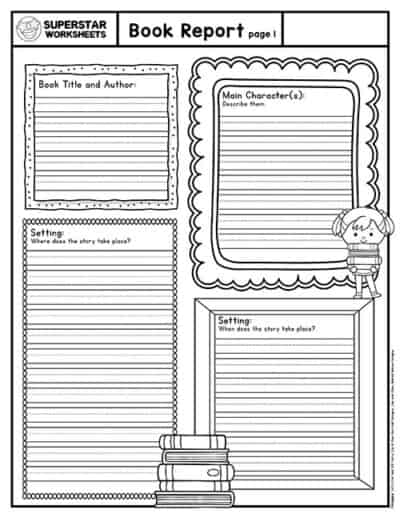
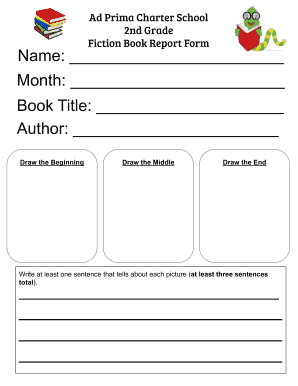
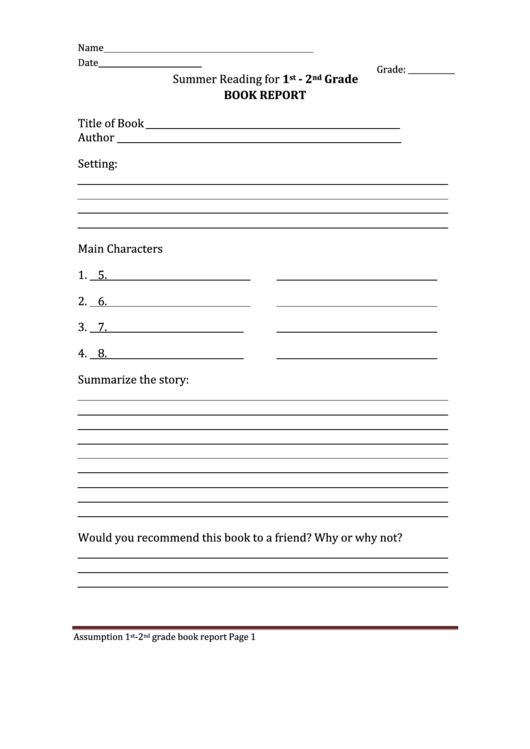
Creating a compelling book report is a crucial part of the second-grade learning experience. It’s more than just summarizing the story; it’s about demonstrating comprehension, critical thinking, and engaging with the text on a deeper level. A well-structured book report provides a valuable opportunity for students to solidify their understanding and express their thoughts in a clear and organized manner. This guide provides a comprehensive template and helpful tips to help you create effective book reports that will truly shine. The core of a successful book report revolves around accurately capturing the essence of the story and presenting it in a way that showcases the student’s engagement with the text. It’s about showing, not just telling. Second Grade Book Report Template – a simple yet powerful tool for fostering a love of reading and a deeper understanding of literature.
Understanding the Purpose of a Book Report
A book report isn’t simply a regurgitation of plot points. It’s an opportunity for students to analyze a text, identify key themes, and articulate their personal interpretations. It’s a chance to demonstrate that they’ve truly engaged with the book and can think critically about its meaning. The goal is to move beyond simply knowing what happened in the story and delve into why it matters. Effective book reports help students develop essential skills like reading comprehension, analytical thinking, and communication. Furthermore, they provide a foundation for future reading comprehension and critical analysis. A strong book report demonstrates a student’s ability to synthesize information and present it in a thoughtful and well-supported manner.
The Essential Components of a Book Report
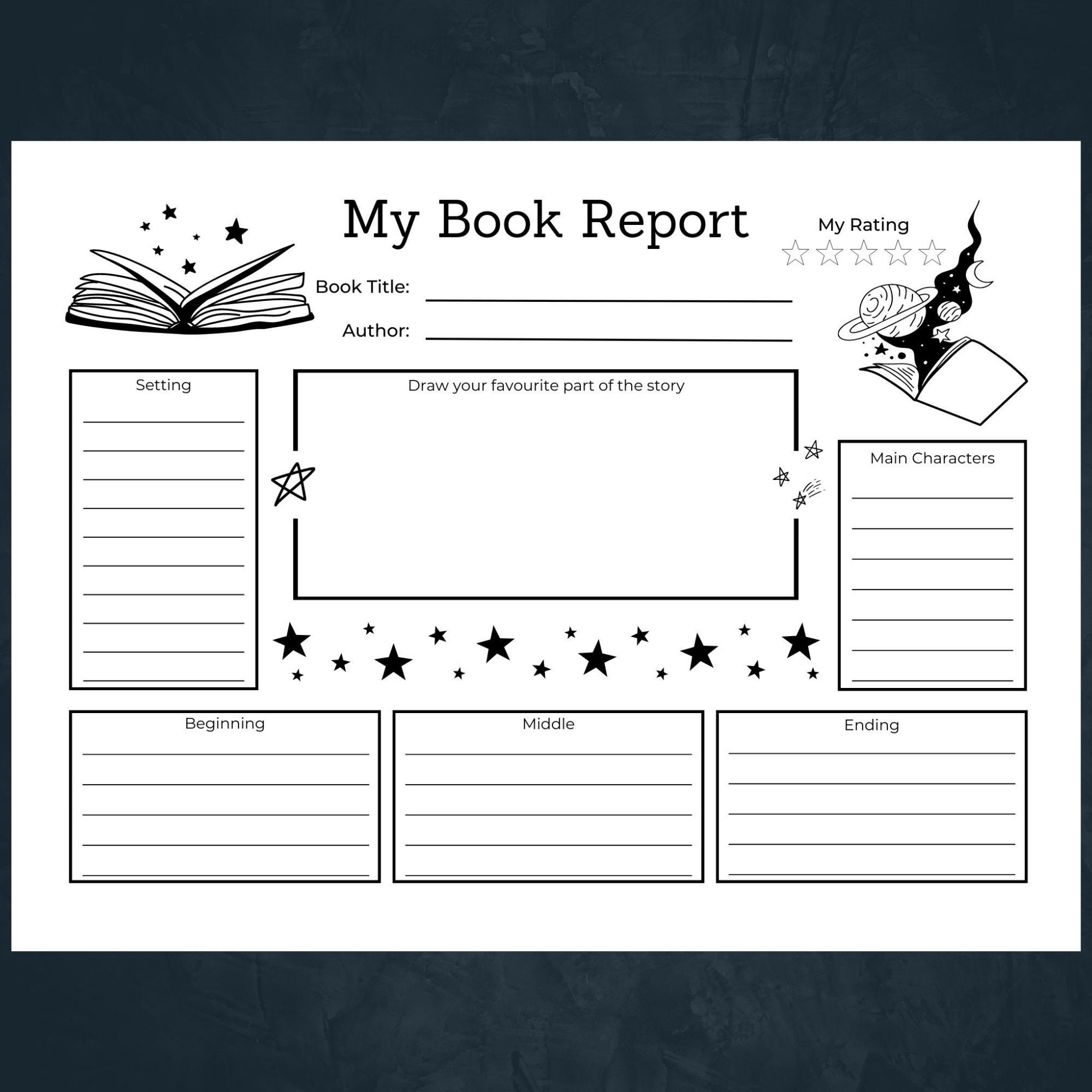
Let’s break down the key elements that should be included in a comprehensive book report. Each section contributes to a cohesive and informative presentation of the book. Remember, the level of detail required will vary depending on the assignment guidelines, but these components are generally essential.
1. Introduction – Setting the Stage
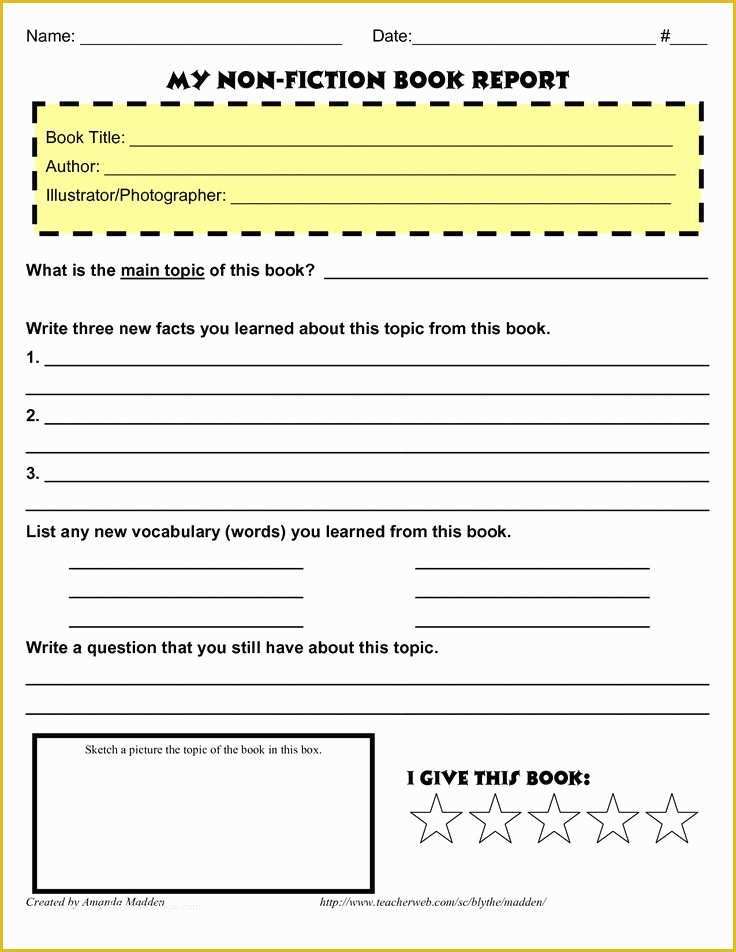
The introduction should immediately grab the reader’s attention and provide context for the book being analyzed. It’s a brief overview of the story’s premise and why it’s important. A strong introduction often includes a captivating hook – a question, a surprising statement, or a brief anecdote – to draw the reader in. For example, “Imagine a world where magic is real, but only for those with a special gift. This is the world of The Chronicles of Narnia, a timeless tale of courage and sacrifice.” This introduction effectively introduces the book and hints at the potential themes to be explored. Second Grade Book Report Template – a captivating introduction is the first step to a successful report.

2. Character Analysis – Who’s Involved?
A crucial element of any book report is a detailed examination of the characters. Discuss the main characters, their motivations, and their development throughout the story. Consider their relationships with other characters and how these relationships influence the plot. For instance, “As the story unfolds, we meet Lucy Pevensie, a brave and curious young girl, and Edmund Pevensie, a thoughtful and cautious boy. Their contrasting personalities create a dynamic that drives much of the narrative.” Understanding the characters allows students to analyze the story’s themes and the human experiences it portrays. Second Grade Book Report Template – delving into character analysis is key to understanding the book’s core.
3. Plot Summary – What Happened?
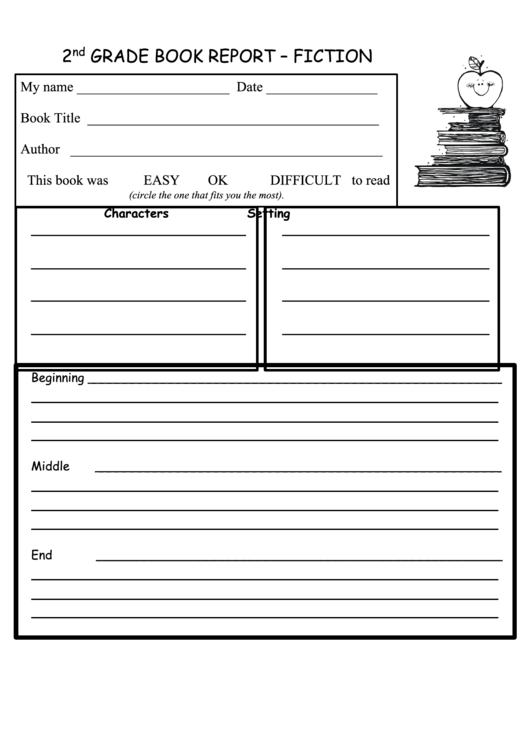
A concise and accurate summary of the plot is necessary, but it shouldn’t simply be a retelling of the story. Focus on the key events and turning points. Highlight the conflict and how it’s resolved. “The story follows Lucy and Edmund as they journey through Narnia, facing challenges and encountering strange creatures. They eventually discover that Narnia is under threat from the White Witch, and must work together to restore balance to the land.” A well-structured plot summary provides a roadmap for the reader. Second Grade Book Report Template – a clear and accurate plot summary is fundamental.
4. Theme Exploration – What’s the Big Idea?
Themes are the underlying ideas or messages that the author explores in the book. These can be about love, friendship, courage, good versus evil, or any other universal concepts. Discuss how the themes are presented in the story and how they relate to the characters and plot. “The story of The Lion, the Witch, and the Wardrobe explores the importance of friendship and the power of imagination. As the children discover the magical world of Narnia, they learn that even the smallest person can make a big difference.” Identifying and analyzing themes is a vital part of a strong book report. Second Grade Book Report Template – understanding themes is essential for deeper comprehension.
5. Symbolism – Hidden Meanings
Symbolism refers to the use of objects, characters, or events to represent something else. In a book report, students can identify and interpret symbols within the story. “The wardrobe itself becomes a powerful symbol of the characters’ imagination and the power of dreams. It represents a gateway to a world beyond their own.” Analyzing symbolism adds a layer of complexity and encourages students to think critically about the text. Second Grade Book Report Template – recognizing symbolism enhances understanding.
6. Personal Response – Your Thoughts
Don’t just summarize; share your own thoughts and feelings about the book. What did you like? What did you dislike? How did the book make you feel? This section allows students to express their individual interpretations and connect with the text on a personal level. “I really enjoyed the adventure and the characters’ bravery. I felt a little sad when Lucy and Edmund had to leave Narnia, but I also felt hopeful about their future.” Sharing personal responses demonstrates engagement and critical thinking. Second Grade Book Report Template – expressing personal responses is a key component.

7. Conclusion – Wrapping it Up
The conclusion should summarize the main points of the book report and offer a final reflection. Reiterate the key themes and the overall message of the story. It’s a chance to leave the reader with a lasting impression. “Ultimately, The Lion, the Witch, and the Wardrobe teaches us that even in the darkest times, hope and courage can prevail. It’s a story about the importance of believing in yourself and the power of friendship.” A strong conclusion provides a sense of closure and reinforces the learning experience. Second Grade Book Report Template – a well-crafted conclusion summarizes the key takeaways.
Conclusion – Reflecting on the Experience
In conclusion, a well-crafted book report is more than just a summary of a story; it’s a valuable opportunity for students to develop critical thinking skills, enhance their reading comprehension, and express their own interpretations. By carefully analyzing characters, plot, themes, and symbolism, students can gain a deeper understanding of the text and its significance. The process of creating a book report encourages active reading and promotes a lifelong love of literature. Remember, the goal is to demonstrate that you’ve engaged with the book and can articulate your thoughts in a thoughtful and organized manner. A thoughtful and detailed book report is a testament to a student’s engagement with the material and a valuable skill for future learning. Second Grade Book Report Template – a thoughtful conclusion reinforces the importance of the process.
0 Response to "Second Grade Book Report Template"
Posting Komentar