
Navigating the complexities of freight logistics requires precision, clear communication, and legally binding agreements. In an industry where miscommunications can lead to significant financial losses and operational headaches, a standardized document that outlines all terms and conditions is not just a convenience, but a necessity. This is where a robust Load Confirmation And Rate Agreement Template becomes an indispensable tool, serving as the backbone for smooth transactions between brokers, shippers, and carriers. It formalizes the understanding of what is being moved, by whom, from where to where, and most critically, at what price, ensuring that all parties are on the same page before a wheel even turns.
For logistics professionals, transportation companies, and independent owner-operators, the ability to quickly generate a comprehensive and legally sound agreement is paramount. It streamlines operations, reduces administrative burdens, and minimizes the potential for disputes by preemptively addressing critical details. Without such a document, businesses expose themselves to ambiguity regarding rates, delivery schedules, accessorial charges, and liability, leading to potential disagreements that can strain relationships and incur unplanned costs.
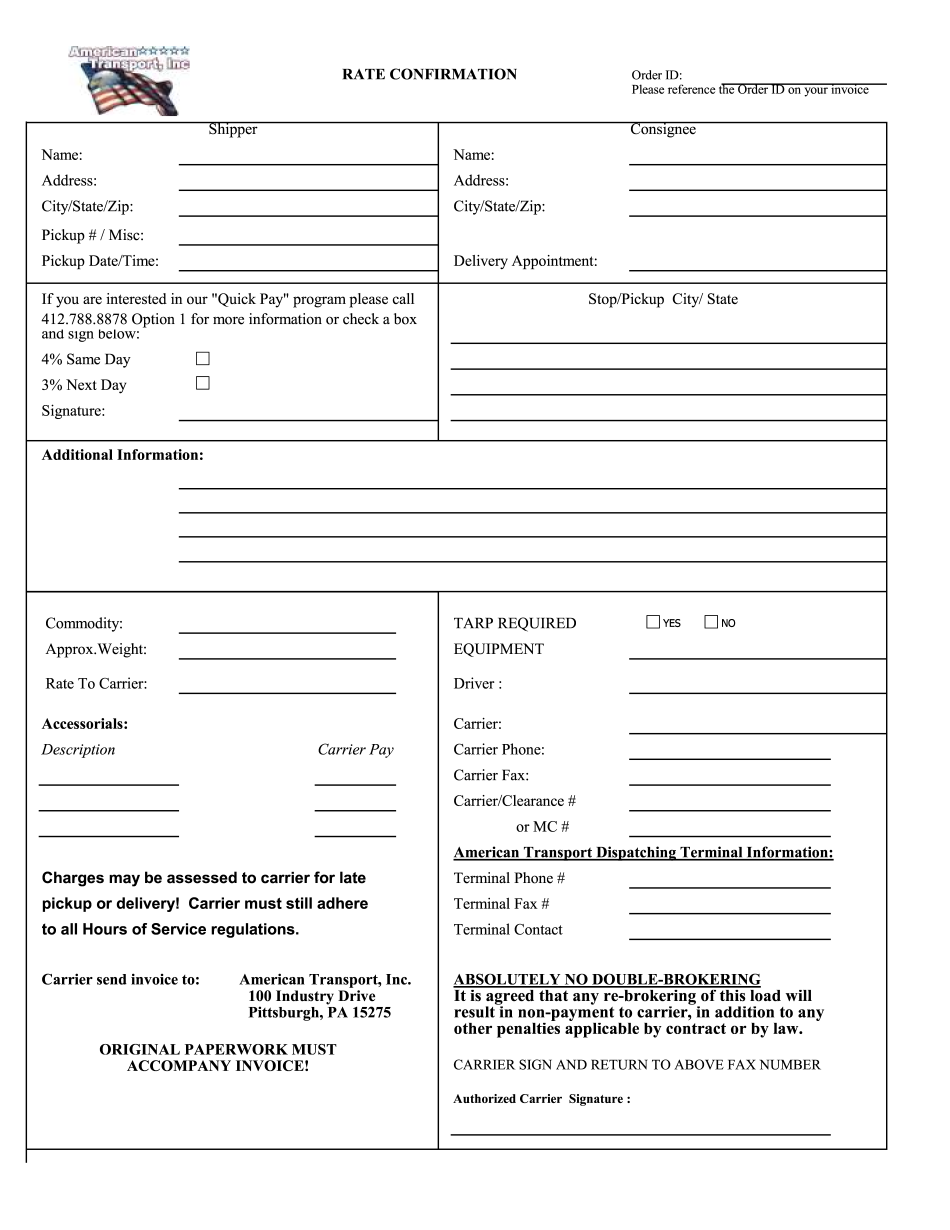
Moreover, the digital age demands efficiency. Manual, ad-hoc agreements are not only prone to errors but also time-consuming to prepare and manage. A well-designed template allows for rapid completion, consistent application of company policies, and easy digital sharing and storage. This contributes to a more professional image and demonstrates a commitment to transparency and accountability in all dealings.
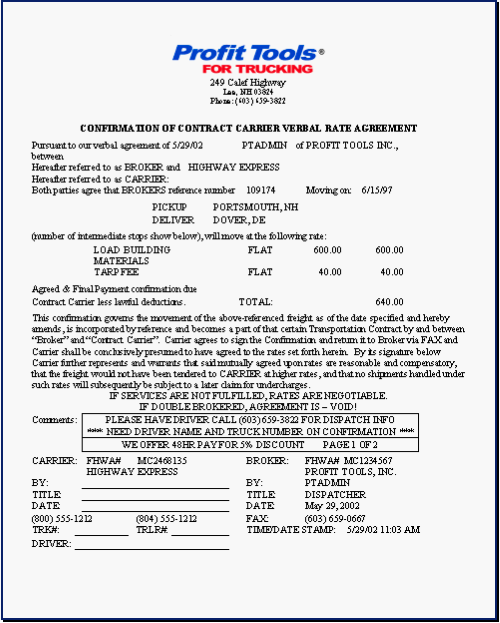
Ultimately, having a reliable framework for every load is crucial for risk management and financial stability within the trucking and logistics sector. It serves as a single source of truth for the agreed-upon terms, providing legal recourse if any party fails to uphold their end of the bargain. This protection is invaluable in an industry characterized by tight margins and demanding schedules, making the adoption of a clear and comprehensive load confirmation and rate agreement a strategic imperative for sustainable business growth and operational excellence.

Understanding the Load Confirmation and Rate Agreement
A load confirmation and rate agreement is a legally binding contract between a freight broker or shipper and a motor carrier. It details all the essential information pertaining to a specific shipment, including the agreed-upon freight rate, pick-up and delivery locations, timelines, and any special instructions or conditions. Essentially, it serves as the definitive record of the understanding between the parties involved, ensuring that expectations are aligned and responsibilities are clearly defined.

The primary purpose of this document is to prevent misunderstandings and disputes. By outlining every aspect of the freight movement in advance, it establishes a transparent framework that all parties can refer to. This clarity is vital in an industry where numerous variables can impact the execution of a load, from unexpected delays to changes in delivery requirements. A comprehensive agreement mitigates these risks by providing a written commitment that protects the interests of both the carrier and the broker/shipper.
Why a Standardized Template is Essential
Using a standardized Load Confirmation And Rate Agreement Template offers numerous advantages over creating agreements from scratch for each load. First, it ensures consistency. Every agreement will cover the necessary clauses and fields, reducing the chance of overlooking critical details that could lead to future complications. Second, it saves a significant amount of time. Instead of drafting new text, users can simply fill in the specific details for each load, expediting the process of booking and confirming shipments.

Furthermore, a template helps in maintaining legal compliance. Professional templates are often designed with industry standards and legal requirements in mind, providing a solid foundation for enforceable contracts. This is particularly important when dealing with regulations concerning freight claims, liability, and payment terms. Finally, a consistent format fosters professionalism and trust, demonstrating to carriers that they are working with an organized and reliable partner.
Key Components of an Effective Load Confirmation And Rate Agreement Template
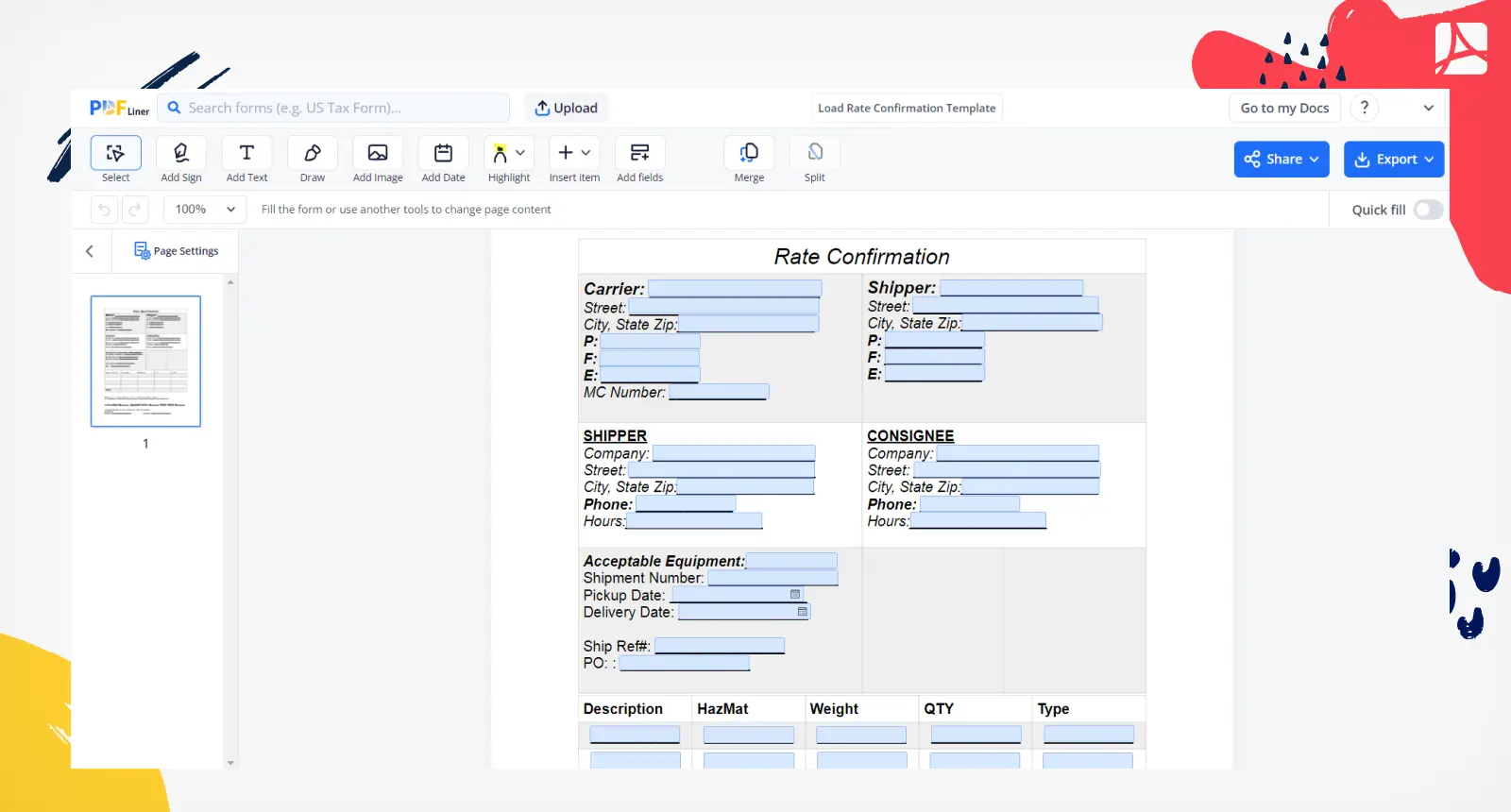
A robust Load Confirmation And Rate Agreement Template must include specific elements to be comprehensive and legally sound. These components ensure that all critical aspects of the shipment are addressed, leaving no room for ambiguity.

Carrier and Broker/Shipper Information
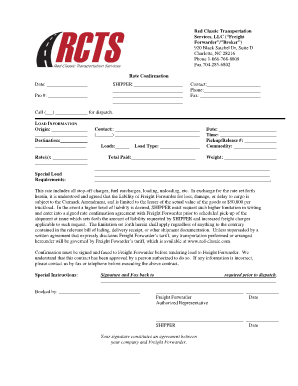
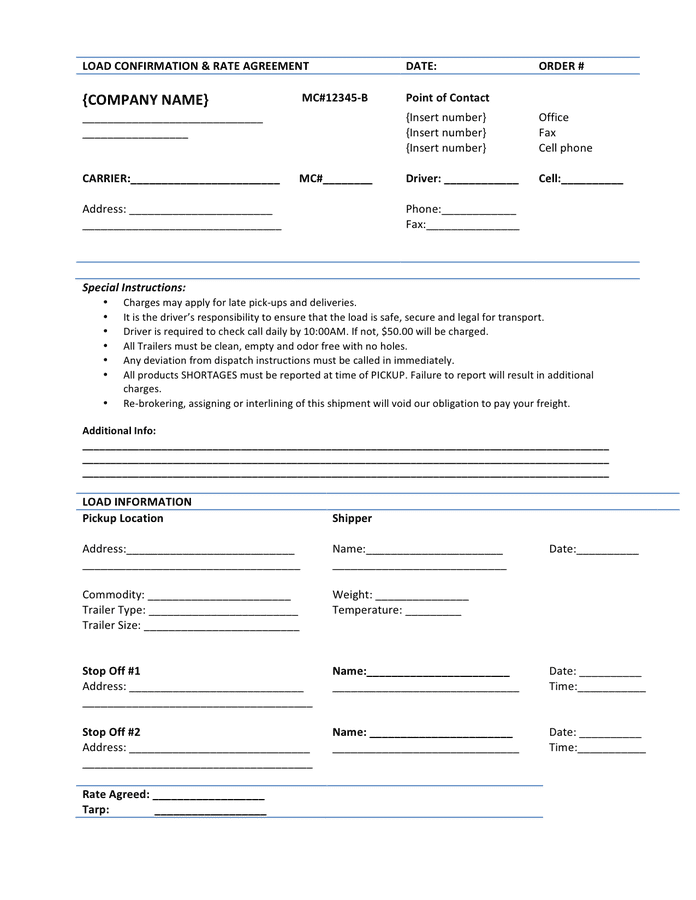
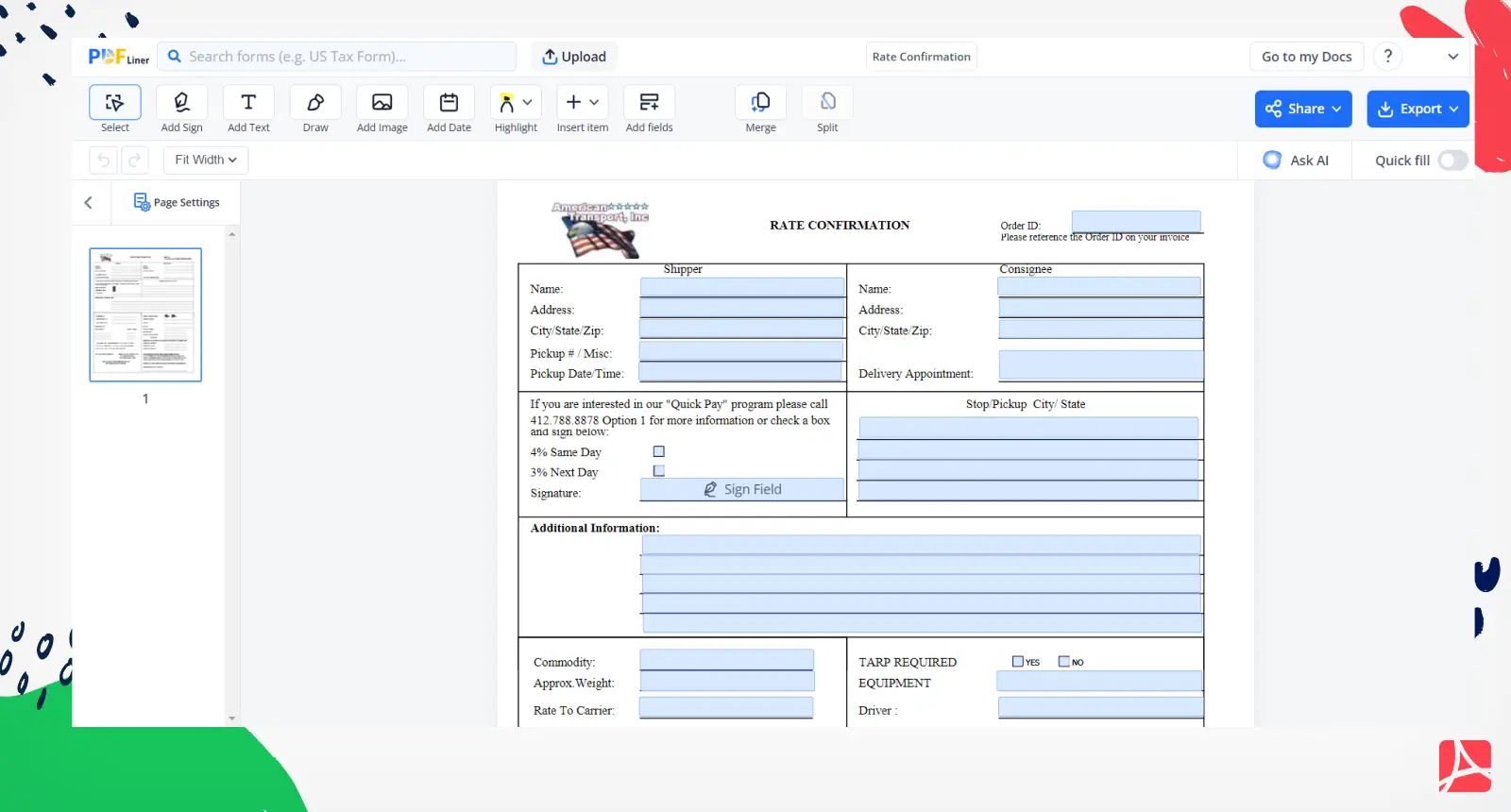
This section identifies all parties involved. It typically includes the full legal name, address, MC/DOT number (for carriers and brokers), contact person, phone number, and email address for both the carrier performing the service and the broker or shipper tendering the load. Accurate contact information is crucial for communication throughout the shipping process.
Load Details
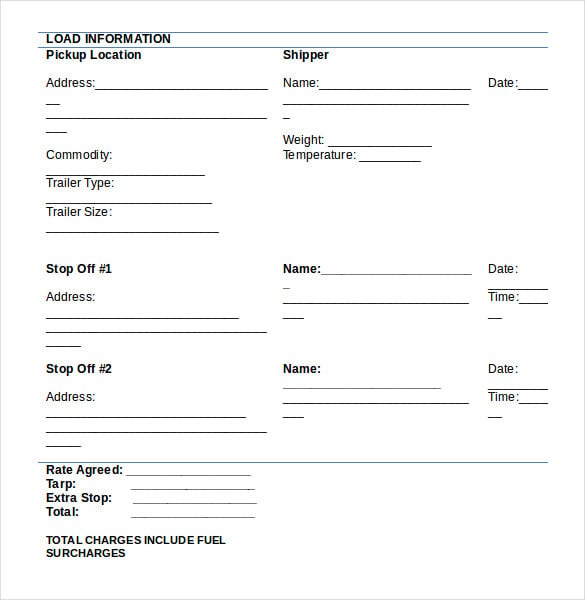
This part provides a clear description of the cargo being transported. It should specify the commodity, weight, dimensions (if applicable), number of pieces or pallets, and any special handling requirements (e.g., hazmat, temperature control, fragile). Precise load details prevent miscommunication about the nature of the freight and ensure the carrier has the appropriate equipment.

Pick-up and Delivery Information
This is a critical section detailing the logistics of the movement. It includes:
* Origin Location: Full pick-up address, facility name, and contact person.
* Pick-up Date and Time: Specific date and time window for cargo collection.
* Destination Location: Full delivery address, facility name, and contact person.
* Delivery Date and Time: Specific date and time window for cargo delivery.
* Appointment Requirements: Any specific appointment numbers or procedures for both pick-up and delivery.

Rate Agreement and Payment Terms
This is the financial core of the agreement. It clearly states the agreed-upon base freight rate for the load. Beyond the base rate, it itemizes and defines any accessorial charges that may apply, such as:
* Fuel Surcharge (FSC)
* Detention charges (for delays at pick-up or delivery beyond agreed free time)
* Layover charges
* Stop-off charges (for multiple stops)
* Tarping fees
* Lumper fees
* Toll fees
* Reconsignment or redelivery fees

The section also specifies payment terms, including the total amount due, the method of payment, and the agreed-upon payment window (e.g., "net 30 days" from receipt of invoice and proof of delivery).

Special Instructions and Requirements
Any unique conditions or specific instructions relevant to the shipment should be detailed here. This could include requirements for specific equipment (e.g., flatbed with straps and chains, refrigerated unit with specific temperature settings), permits, driver qualifications, specific routing instructions, or documentation requirements (e.g., bill of lading, customs paperwork).
Insurance and Liability Clauses
This section outlines the responsibilities of each party regarding insurance coverage and liability for loss or damage to the freight. It typically specifies the minimum cargo insurance coverage the carrier must maintain and describes the procedure for filing claims, often referencing the carrier's bill of lading terms.

Cancellation Policy
A clear cancellation policy is essential. It defines the conditions under which a load can be cancelled by either party without penalty, and what charges (e.g., "truck ordered not used" fee) might apply if a load is cancelled within a certain timeframe or after the carrier has dispatched.

Signatures and Date
Finally, the agreement must include spaces for authorized representatives from both the carrier and the broker/shipper to sign and date the document. This signifies mutual acceptance of the terms and renders the agreement legally binding.

Benefits of Using a Standardized Load Confirmation And Rate Agreement Template
Implementing a standardized Load Confirmation And Rate Agreement Template brings a multitude of benefits to all parties involved in the freight movement process, enhancing efficiency, transparency, and legal protection.
Legal Protection and Risk Mitigation
Perhaps the most significant benefit is the legal protection it offers. A well-drafted template acts as a binding contract, clearly stipulating the rights and responsibilities of each party. In the event of a dispute, such as non-payment, cargo damage, or service failure, the document serves as crucial evidence in legal proceedings or arbitration. This minimizes exposure to financial losses and legal complications for both brokers/shippers and carriers.

Enhanced Clarity and Transparency
By detailing every aspect of the load – from pick-up times and delivery locations to specific rates and accessorial charges – the template ensures complete transparency. There's no room for assumptions or verbal miscommunications. Everyone involved has a clear, written record of what was agreed upon, fostering trust and preventing "he said, she said" scenarios that often lead to conflict.
Reduced Disputes and Operational Friction
When terms are explicitly laid out, the likelihood of disputes significantly decreases. Carriers know exactly what they are expected to do and what they will be paid, while brokers/shippers have a clear understanding of the service they will receive and the costs involved. This clarity leads to smoother operations, as less time is spent resolving disagreements and more time is focused on efficient freight movement.
Improved Efficiency and Time Savings
A template streamlines the administrative process of booking loads. Instead of drafting a new agreement for each shipment, staff can quickly populate the standardized template with specific load details. This reduces paperwork, accelerates the confirmation process, and allows dispatchers and brokers to focus on optimizing routes and managing other critical tasks, thereby boosting overall operational efficiency.
Professionalism and Credibility
Using a professional, standardized template reflects positively on your business. It demonstrates organization, attention to detail, and a commitment to clear communication and ethical business practices. This professionalism can strengthen relationships with carriers and shippers, leading to repeat business and a more reputable standing in the competitive logistics industry.
Facilitates Auditing and Record-Keeping
Standardized agreements make record-keeping and auditing much simpler. All essential information is located in a consistent format, making it easy to retrieve specific details, track historical data, and comply with regulatory requirements. This is invaluable for financial reconciliation, performance analysis, and demonstrating compliance during inspections.
How to Effectively Use Your Load Confirmation And Rate Agreement Template
Having a comprehensive Load Confirmation And Rate Agreement Template is only the first step; effectively utilizing it is key to unlocking its full potential.
Customization for Specific Needs
While a template provides a solid foundation, it's crucial to customize it for your specific operational needs and any unique requirements of a particular load. This might involve adding specific clauses for hazardous materials, outlining precise temperature control settings, or including details about specialized equipment. Ensure the template is flexible enough to accommodate such variations without losing its core structure.
Thorough Review and Verification
Before sending the agreement, meticulously review all entered information. Double-check addresses, dates, times, commodity descriptions, and, most importantly, all rate details and accessorial charges. Any discrepancy, no matter how small, can lead to significant problems down the line. It’s also wise to have a second pair of eyes, if possible, to catch any overlooked errors.
Clear Communication and Timely Distribution
Once completed, the load confirmation should be sent to the carrier promptly, preferably immediately after verbal agreement. Emphasize the importance of the carrier reviewing the document thoroughly and signing it. Encourage them to ask questions if anything is unclear. Prompt communication reduces misunderstandings and ensures that the carrier has all necessary information before dispatching.
Insist on Signed Agreements
Always require a signed copy of the load confirmation and rate agreement back from the carrier before the load is picked up. A verbal agreement is harder to enforce. The signed document serves as irrefutable proof that both parties acknowledge and accept the terms and conditions outlined. Implement a system to track signed agreements to ensure compliance.
Maintain Detailed Records
Keep an organized digital and/or physical file of every completed and signed load confirmation. These records are vital for future reference, dispute resolution, financial auditing, and performance analysis. A clear filing system ensures easy retrieval when needed, saving time and potential headaches.
Common Mistakes to Avoid When Using a Load Confirmation And Rate Agreement Template
Even with an excellent Load Confirmation And Rate Agreement Template, certain mistakes can undermine its effectiveness. Being aware of these pitfalls can help you avoid costly errors.
Incomplete or Ambiguous Information
A common error is leaving fields blank or providing vague descriptions. For instance, stating "flexible delivery window" without a defined timeframe can lead to carrier delays and detention claims. Ensure every relevant field is accurately and specifically filled out, from pick-up times to specific commodity details. Ambiguity is the enemy of a clear contract.
Neglecting to Review Finalized Agreements
After filling out the template, some users skip a final review, assuming all information was correctly entered. This can result in errors in rates, dates, or contact details. Always perform a thorough check of the completed document against your original notes or discussions before sending it out.
Relying Solely on Verbal Agreements
While verbal communication is essential in logistics, it should always be followed up with a written agreement. Relying solely on a verbal confirmation for rates and terms is a significant risk, as it provides no legal recourse in case of a dispute. Always get a signed load confirmation before the truck rolls.
Ignoring Special Conditions or Accessorials
Failing to explicitly list all potential accessorial charges (e.g., detention, layover, lumper fees) or special handling instructions can lead to unexpected costs and arguments. If these charges or conditions are not in the agreement, the carrier may refuse to pay or demand additional payment for services not initially agreed upon.
Not Retaining Copies of Signed Agreements
Proper record-keeping is often overlooked. Losing or failing to save a signed copy of the load confirmation means you lose your primary evidence if a dispute arises. Implement a robust system for archiving all signed agreements, making them easily retrievable.
Failing to Update or Customize the Template
Over time, industry standards, regulations, or your business operations might change. Using an outdated or generic template without necessary customizations can leave gaps in your agreements. Regularly review and update your master template to reflect current best practices and legal requirements.
Where to Find a Reliable Load Confirmation And Rate Agreement Template
For businesses of all sizes, accessing a reliable Load Confirmation And Rate Agreement Template is crucial for streamlining operations and ensuring legal compliance. While many generic templates exist online, the best options are those specifically designed for the complexities of the freight and logistics industry.
Many industry associations, such as the Transportation Intermediaries Association (TIA) or various state trucking associations, often provide resources or recommendations for such documents, sometimes even offering member-exclusive templates. Specialized logistics software providers frequently integrate load confirmation features into their platforms, allowing for the generation of pre-populated agreements directly from shipment data. This integrated approach ensures consistency and efficiency.
Furthermore, legal counsel specializing in transportation law can help you draft a custom template tailored precisely to your business's unique needs and legal jurisdiction. While this might be a more significant initial investment, it ensures maximum legal protection and compliance. However, for many operations, a well-researched, free template available from reputable industry resources or logistics blogs can serve as an excellent starting point, which can then be reviewed and slightly modified to fit specific requirements.
Conclusion
In the fast-paced and intricate world of freight and logistics, the Load Confirmation And Rate Agreement Template stands as an indispensable tool. It transcends being merely a piece of paperwork, evolving into a foundational element for transparency, efficiency, and legal protection for all stakeholders. From clarifying crucial details like pick-up and delivery schedules and specific cargo requirements to cementing financial agreements and outlining liabilities, a well-executed template mitigates risks and fosters trust.
By embracing a standardized, comprehensive template, businesses can significantly reduce administrative burdens, minimize the potential for costly disputes, and enhance their professional image. It empowers both brokers/shippers and carriers to operate with confidence, knowing that all terms are explicitly documented and mutually agreed upon. In an industry where precision and clear communication are paramount, investing in or utilizing a robust load confirmation and rate agreement template is not just good practice—it's essential for sustainable growth and operational excellence.
0 Response to "Free Load Confirmation And Rate Agreement Template"
Posting Komentar